
Image Illustration
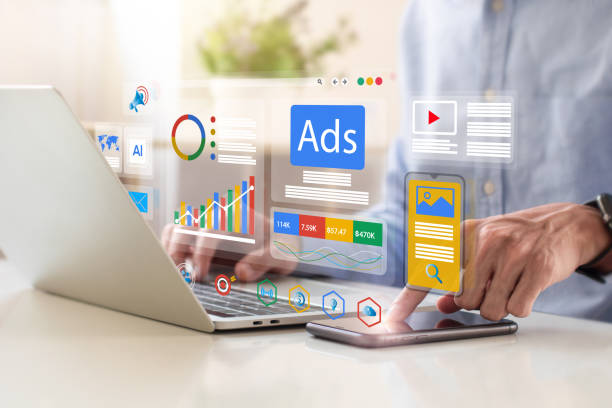
What Is E-Commerce Marketing?
E-commerce marketing is the practice of using digital channels to promote online stores, attract potential customers, and convert website visitors into paying buyers. It combines traffic acquisition, conversion optimization, and retention strategies to maximize revenue.
Why E-Commerce Marketing Matters
Increases Visibility
Marketing helps your products stand out in a highly competitive online marketplace.
Drives Targeted Traffic
SEO and paid ads attract shoppers actively searching for your products.
Boosts Conversions
Optimized pages and personalized experiences turn visitors into buyers.
Builds Loyalty
Retention marketing increases repeat purchases and lifetime value.
The E-Commerce Marketing Funnel

Awareness
Shoppers discover your brand through search engines, social media, and online ads.
Consideration
Customers compare prices, read reviews, and evaluate product benefits.
Conversion
Optimized product pages, trust signals, and fast checkout drive purchases.
Retention
Email marketing, loyalty programs, and remarketing encourage repeat sales.
Core E-Commerce Marketing Channels
- Search Engine Optimization (SEO): Rank product and category pages organically
- Paid Advertising: Google Shopping, Meta Ads, TikTok Ads
- Email Marketing: Cart recovery, promotions, post-purchase emails
- Social Commerce: Selling directly on social platforms
- Influencer Marketing: Partnering with creators for trust and reach
Conversion Rate Optimization (CRO)

- High-quality product images and videos
- Clear pricing and shipping information
- Customer reviews and social proof
- Mobile-optimized checkout
- Fast page load speed
Key E-Commerce Marketing Metrics
- Conversion Rate
- Average Order Value (AOV)
- Customer Acquisition Cost (CAC)
- Customer Lifetime Value (CLV)
- Cart Abandonment Rate
Popular E-Commerce Marketing Tools
Platforms
Shopify, WooCommerce, Magento
Email & Automation
Klaviyo, Mailchimp, HubSpot
Analytics
Google Analytics, Hotjar, Looker Studio
Advertising
Google Ads, Meta Ads, TikTok Ads
Best Practices
- Optimize for mobile shoppers first
- Use data to guide marketing decisions
- Focus on retention, not just acquisition
- Personalize offers and product recommendations
- Continuously test and improve campaigns
Frequently Asked Questions (FAQ)
Is e-commerce marketing different from digital marketing?
Yes. E-commerce marketing specifically focuses on driving online sales, while digital marketing covers broader brand and lead-generation goals.
How long does e-commerce marketing take to show results?
Paid ads can deliver immediate traffic, while SEO and content marketing typically take 3–6 months for strong results.
What is the most effective e-commerce channel?
A combination of SEO, paid ads, and email automation usually provides the highest return on investment.
Conclusion
E-commerce marketing is essential for online business success. By combining traffic generation, conversion optimization, and customer retention strategies, brands can build scalable and profitable online stores.